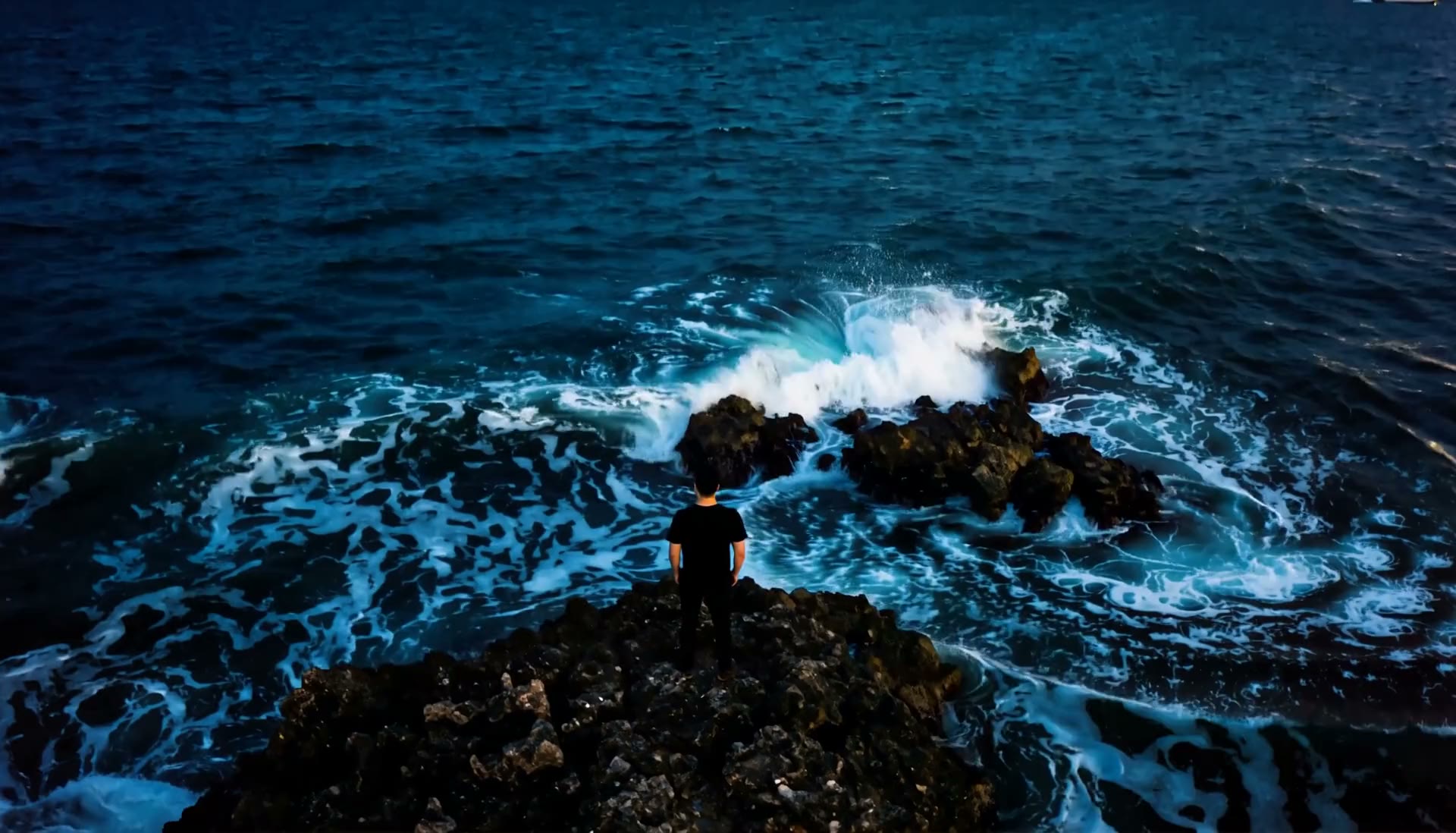
A melodic and progressive house artist from Tel Aviv with a growing catalog, live sets on YouTube, and no single place that held all of it.
Avi H makes music in Tel Aviv, mostly at night, mostly about the sea — some of it in Hebrew, some in English. Twenty-three originals lived across streaming services, a YouTube channel of live sets, and a handful of social profiles, each with its own look. Nothing said who the artist was in one place.
The brief was an identity and a site that could carry the whole catalog without sending anyone away to hear it.
Discovery
The catalog itself set the rules. Twenty-three tracks needed twenty-three covers that read as one body of work, and the site had to switch between Hebrew and English without feeling like two sites. Every decision came back to the music: if a page could not play the track, it was in the way.
What we did
A bilingual brand system: wordmark, type, a color world drawn from the sea at night, and a cover-art series so each release stands on its own while belonging to the set.
A scroll-driven site with a track reel — as you move through the catalog each track fades in, plays inline, and hands off to the next. Live sets sit beside the catalog, and every track lists everywhere it lives.
Built as a fast static site so it loads on a phone in the time it takes to press play.
- Wordmark, type and color system in Hebrew and English
- 23 cover artworks as one series
- Scroll-driven track reel with inline playback
- Live sets from YouTube beside the catalog
- Fast static build, nothing to maintain
The identity
The name is written twice on one line: AVI H on the left, the Hebrew on the right, a short rule between them. Both come from one type family, Frank Ruhl Libre, so the Latin and Hebrew read as the same voice. On a cover, the track title sits on that line, which is where the two halves of the catalog meet.
The palette is the sea at night: a near-black blue ground, ivory type, a teal accent for the sea songs and an ember orange reserved for the club tracks. Two accents, one rule each, so a listener can tell the two sides of the catalog apart before a note plays.
The artist asked that the songs be the subject, not his face. So every cover puts a small figure in a big place, usually seen from behind, looking at the thing the song is about.
Twenty-three covers, one series
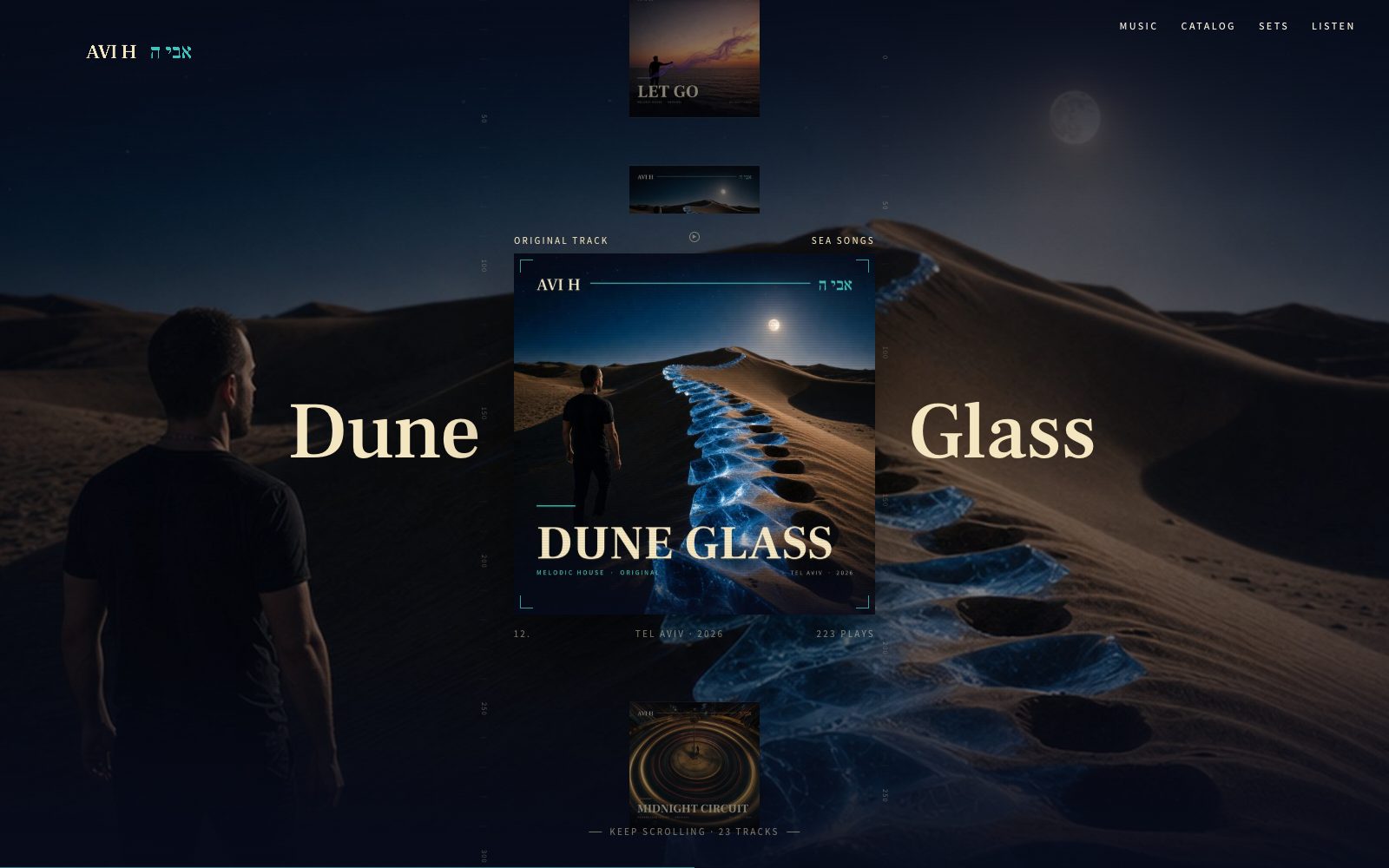
Every track has its own scene: a moonlit shore for The Sea Between Us, the old city for Jerusalem Tides, a dune lit from beneath for Dune Glass. The lockup, the horizon line and the type stay fixed from cover to cover, so the set reads as one body of work in a streaming grid and each release still stands on its own.
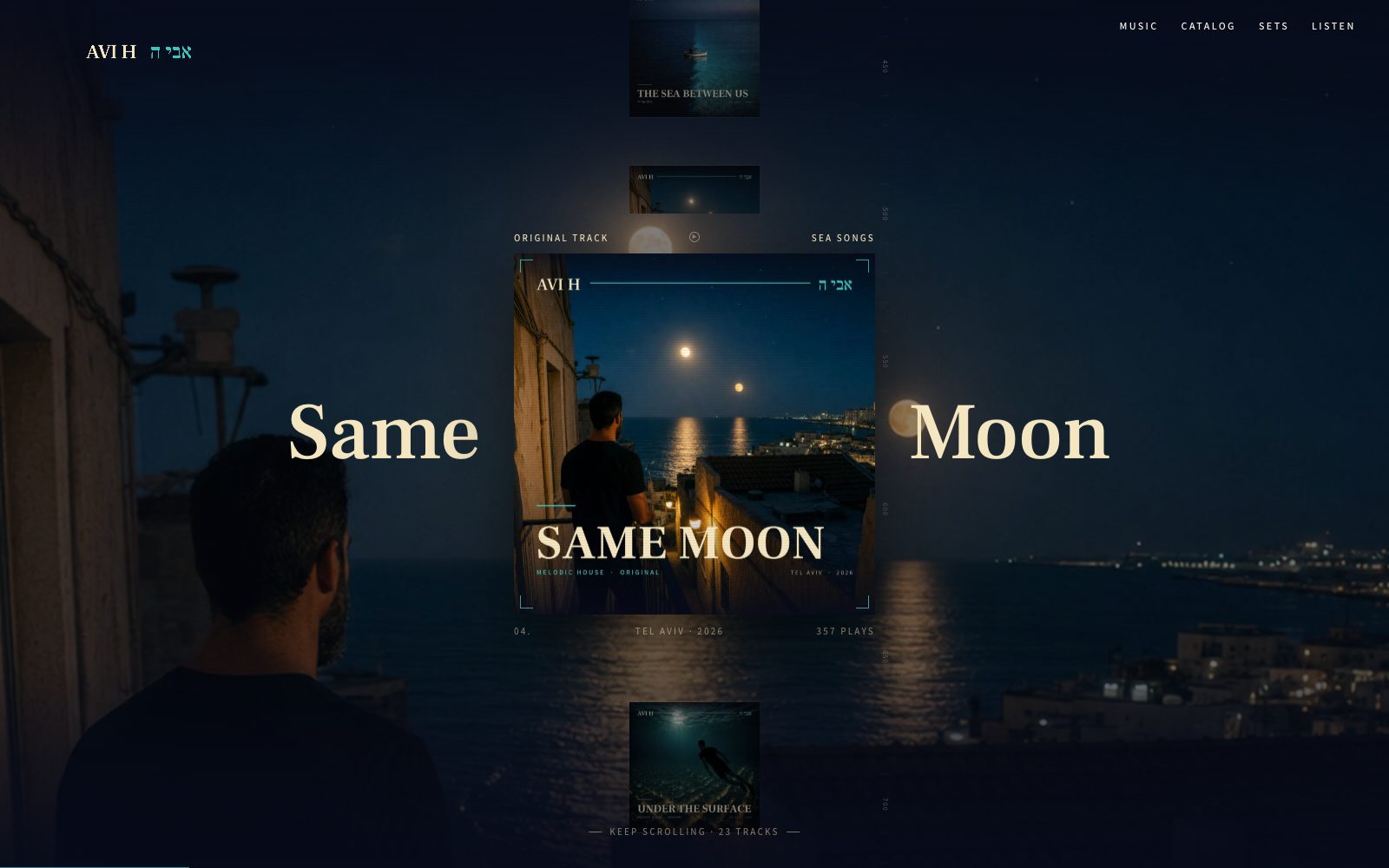
The Hebrew versions of The Sea Between Us and Same Moon share their scene with the English originals and carry the Hebrew title, so both languages sit side by side in the catalog rather than in separate corners.
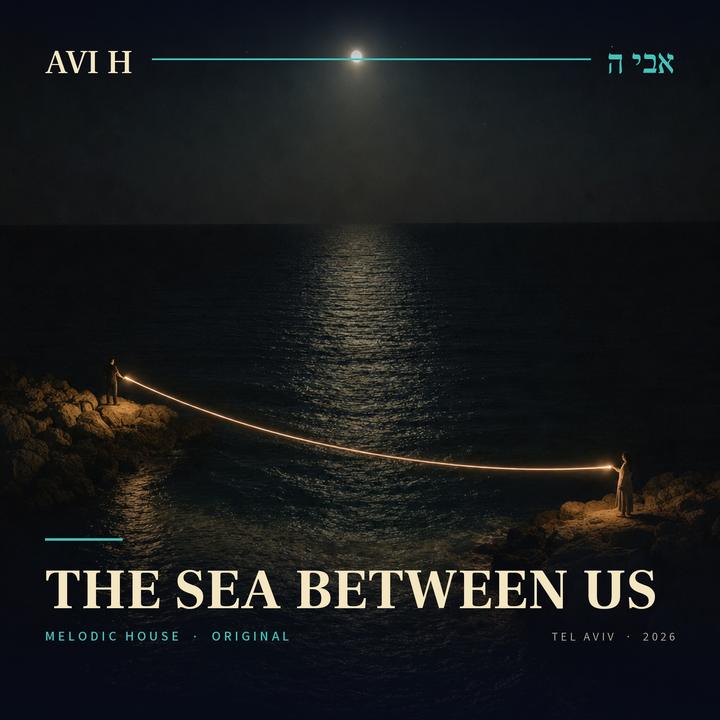
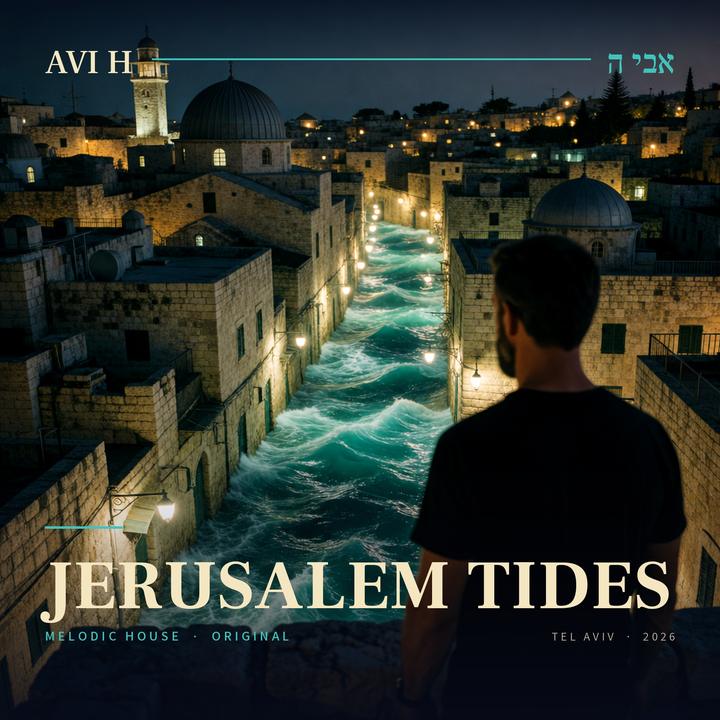
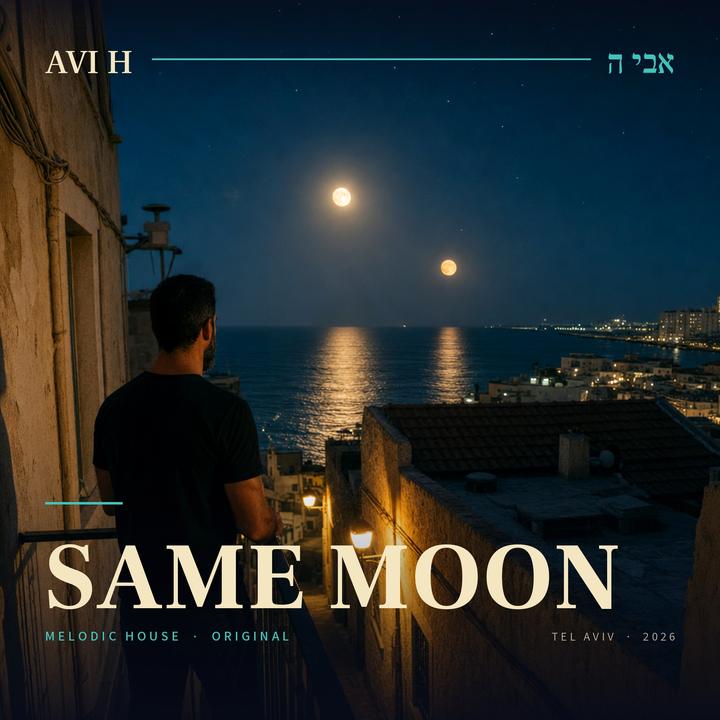
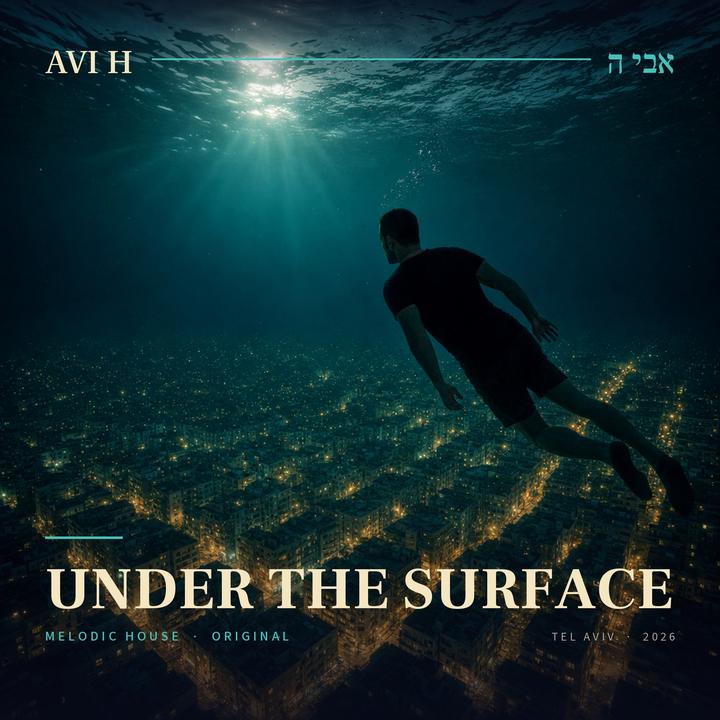
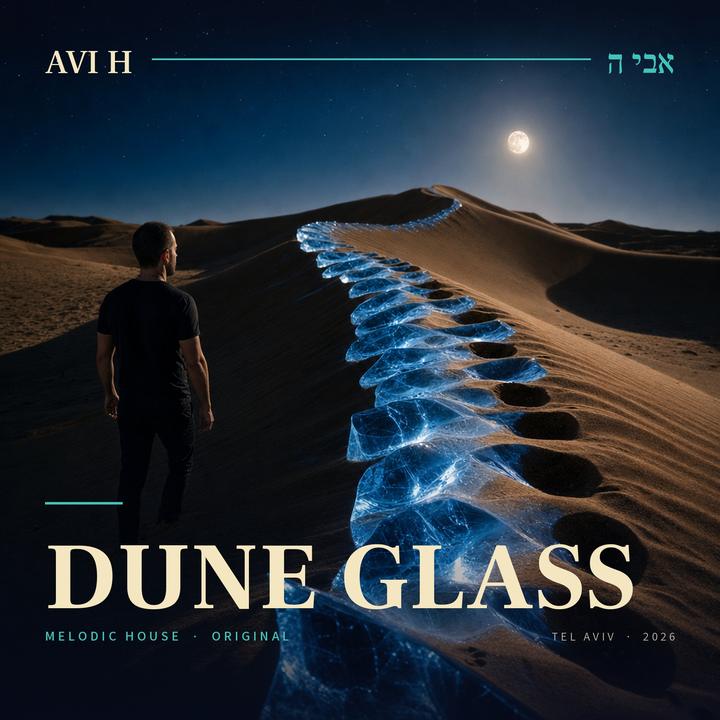
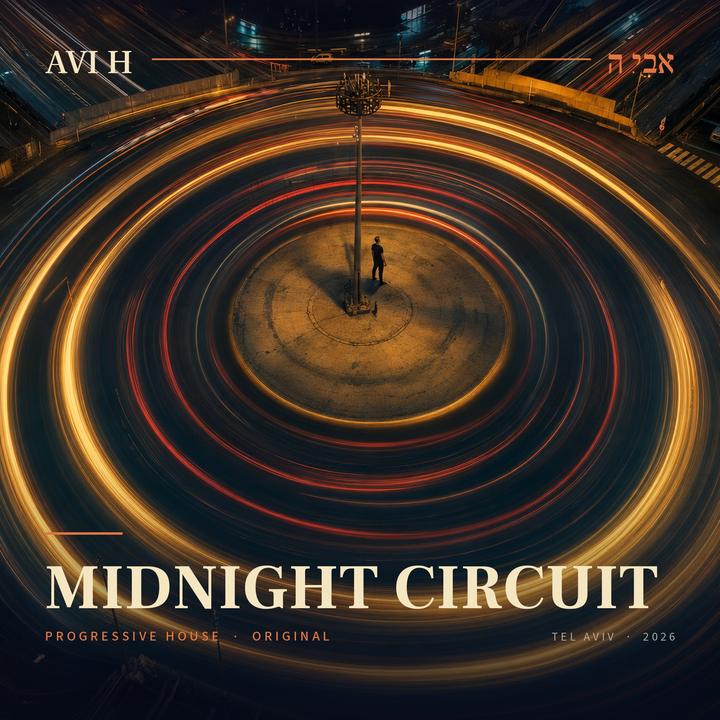
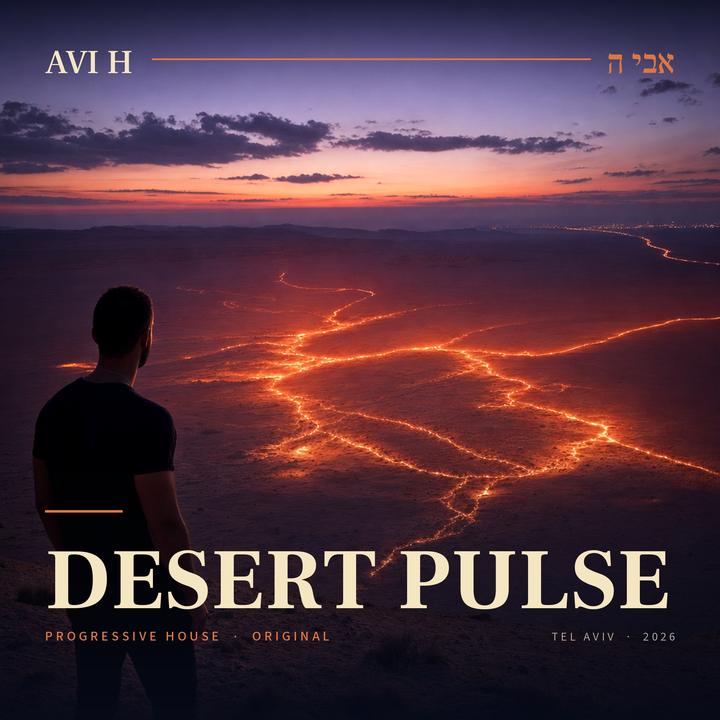
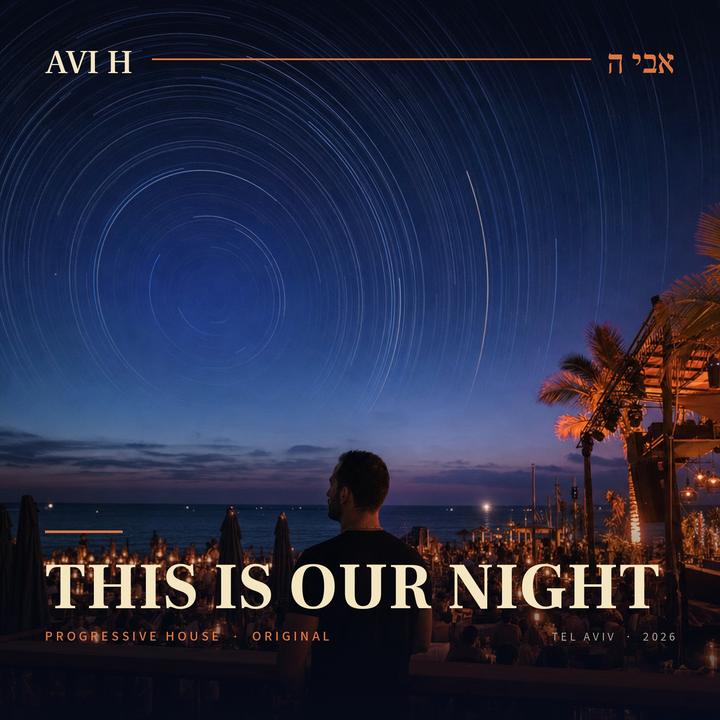
Eight of the twenty-three covers. Sea songs carry the teal line, night circuits the ember line.
The site
One page, driven by the scroll wheel. The hero is a looping film of the coast at night with the wordmark over it. Below it the catalog runs as a reel: each track slides into the center with its cover, its title split across the screen, its format, its SoundCloud play count and a play button. The background behind the reel changes to that track’s scene as it arrives.
Filters split the catalog into sea songs, night circuits and Hebrew. The seven live sets from YouTube sit in their own section. Every track links out to SoundCloud and every set to YouTube, and all thirty links were checked before launch.
It is a static build with no database and no plugins, so there is nothing to update or break. It loads on a phone in the time it takes to press play.
Launch
The site went live with the search and sharing basics in place from day one: page titles and descriptions, a share card with the wordmark over the sea, structured data that tells Google and the AI assistants this is a music artist from Tel Aviv, a sitemap and clean robots rules. When a new track lands, the cover, the scene and the listing follow the same system, so the catalog grows without the site being rebuilt.
The outcome
One address for the artist: the identity, the full catalog playing in place, the live sets, and the links out to every platform — with nothing that has to be maintained by hand when a new track lands.
“If a page could not play the track, it was in the way.”